
Blog · Sun Nov 01 2026
Internal Links vs Backlinks: A Practical SEO Guide for Pakistani Websites
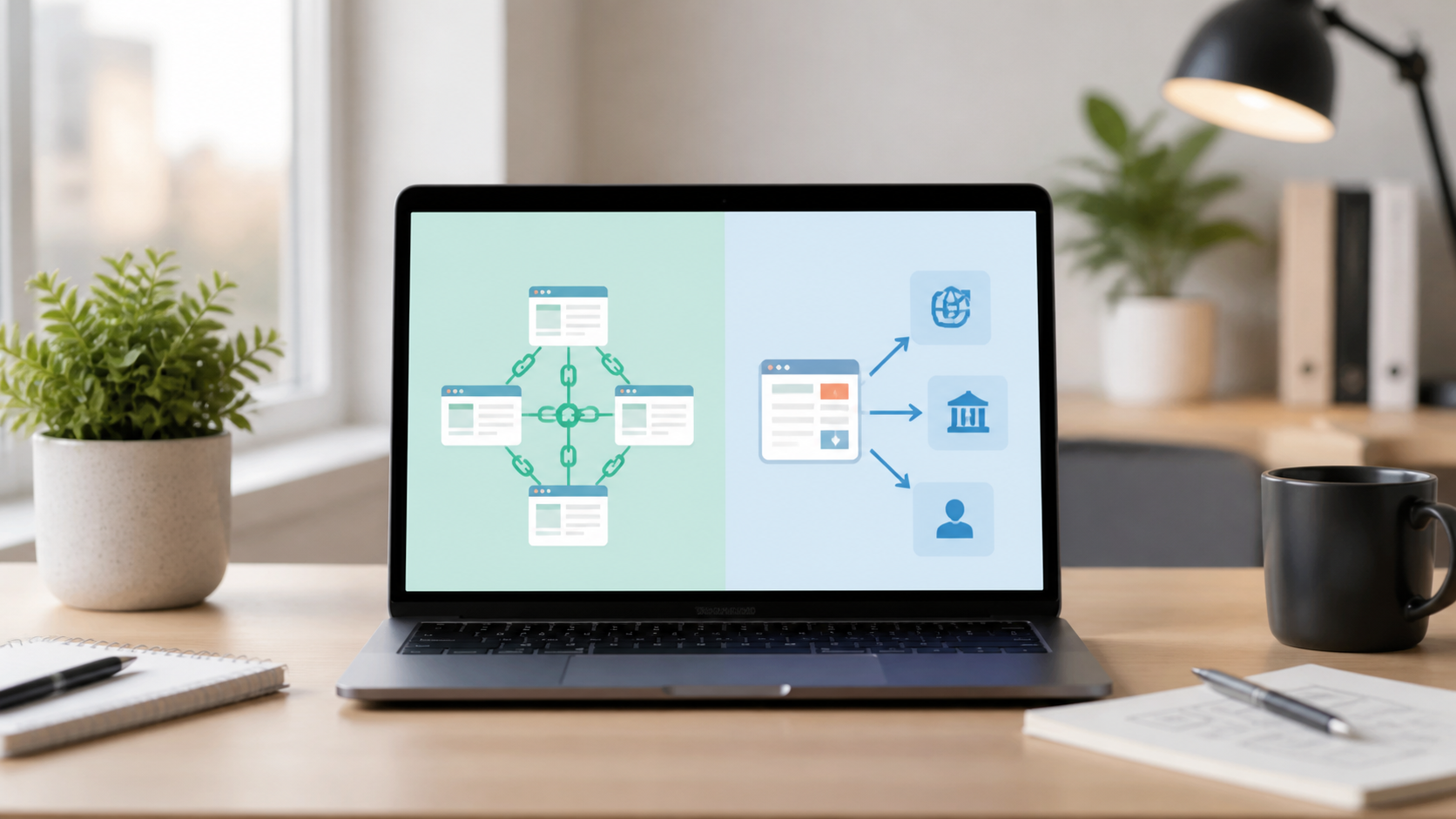
Links help search engines discover pages and understand how they relate to one another. But not all links work the same way. For website owners and SEO agencies in Pakistan, understanding internal links vs backlinks makes it easier to build a balanced SEO strategy instead of relying on one tactic.
What are internal links?
Internal links connect one page on your website to another page on the same website. A link from a blog post to your services page, or from a category page to an article, is an internal link.
These links help visitors find useful information and help search engines discover and understand your site’s pages. Their anchor text—the clickable words—can also give context about the page being linked to. For example, linking the words “technical SEO services” to a relevant service page is clearer than using “click here.”
What are backlinks?
Backlinks, also called inbound links, come from other websites and point to yours. If a Pakistani business directory, news publication, industry blog, or partner links to your website, that link is a backlink.
Search engines may treat relevant, trustworthy backlinks as signals that other sources consider your content useful. However, a backlink is not automatically valuable just because it exists. Relevance, the linking website’s credibility, and the context around the link all matter. Paid, manipulative, or low-quality link schemes can put your SEO at risk.
Internal links vs backlinks: the main differences
Who controls the link?
You usually control internal links, so you can add, update, and remove them as your website changes. Backlinks are placed on other websites. You can earn them through useful content and relationships, but you cannot fully control whether another site links to you or how it does so.
What do they help with?
Internal links support site navigation, content discovery, and the distribution of link value across your pages. They can help visitors move from an informational article to a relevant product or service page. Backlinks can introduce new audiences to your site and strengthen your site’s authority when they come from relevant, reputable sources.
How quickly can you improve them?
Internal linking improvements are often within your control and can be made as soon as you audit your pages. Earning quality backlinks usually takes longer. It may involve publishing original resources, building genuine industry relationships, or contributing useful expertise to relevant publications.
Which type of link matters more?
Neither is a complete replacement for the other. A site can have strong backlinks but a confusing structure that makes important pages hard to find. It can also have excellent internal links but struggle to earn attention and recognition beyond its own website.
Think of internal links as the pathways within your site and backlinks as recommendations from elsewhere. Both can support organic visibility, but neither guarantees rankings. Your content quality, technical health, competition, and search intent also affect performance.
How to build a stronger internal linking strategy
- Start with important pages. Identify the pages that support your business goals, such as service pages, product pages, or location pages.
- Link from relevant content. Add contextual links from articles that genuinely help readers explore the topic further.
- Use descriptive anchor text. Keep it natural and specific. Avoid repeating the same exact-match phrase everywhere.
- Check for orphan pages. Make sure important pages are reachable through links from other parts of your site.
- Review links regularly. Fix broken links and update links when pages move or your site structure changes.
For Pakistani businesses publishing regularly, a dependable content workflow can make it easier to create useful pages to connect. ContentPilot writes and publishes a complete blog with a featured image for Rs 15, and new accounts get 10 free credits. See the Rs 15 per blog plan details.
How to earn better backlinks
Focus on creating something worth referencing: a clear guide, original research, helpful local information, or a resource that answers a real industry question. Share it with relevant publishers, professional communities, and potential partners without demanding a link. For local businesses, accurate listings and genuine partnerships can also help people find your brand, though directory links should not be treated as a shortcut to rankings.
Evaluate opportunities for relevance and trust rather than chasing a high number of links. A handful of editorial links from credible sites in your field may be more useful than many unrelated links. Avoid promises of guaranteed rankings or bulk links from unknown sources.
Measure both link types
Use an analytics or SEO tool to review which pages receive organic visits, how visitors navigate between them, and which external sites send referral traffic. Check whether important pages have internal links and whether new backlinks come from relevant sources. Look for patterns over time rather than judging a strategy by a single ranking change.
Conclusion
Internal links help organize your website and guide visitors to useful pages. Backlinks connect your site to the wider web and can signal credibility when they are earned naturally. For sustainable SEO in Pakistan, build a clear internal structure, publish genuinely helpful content, and pursue relevant backlinks without shortcuts. Together, these practices create a stronger foundation for both visitors and search engines.